

At Indigro, we don’t just position ourselves as a regenerative agronomy business. While regenerative principles play an important role in the advice we give to some farms, our approach is broader. For us, it’s about looking at the whole farming system, understanding where a grower wants to go, and using the right practices to help them get there.
“We hear a lot of people within our industry talking about regenerative farming.”
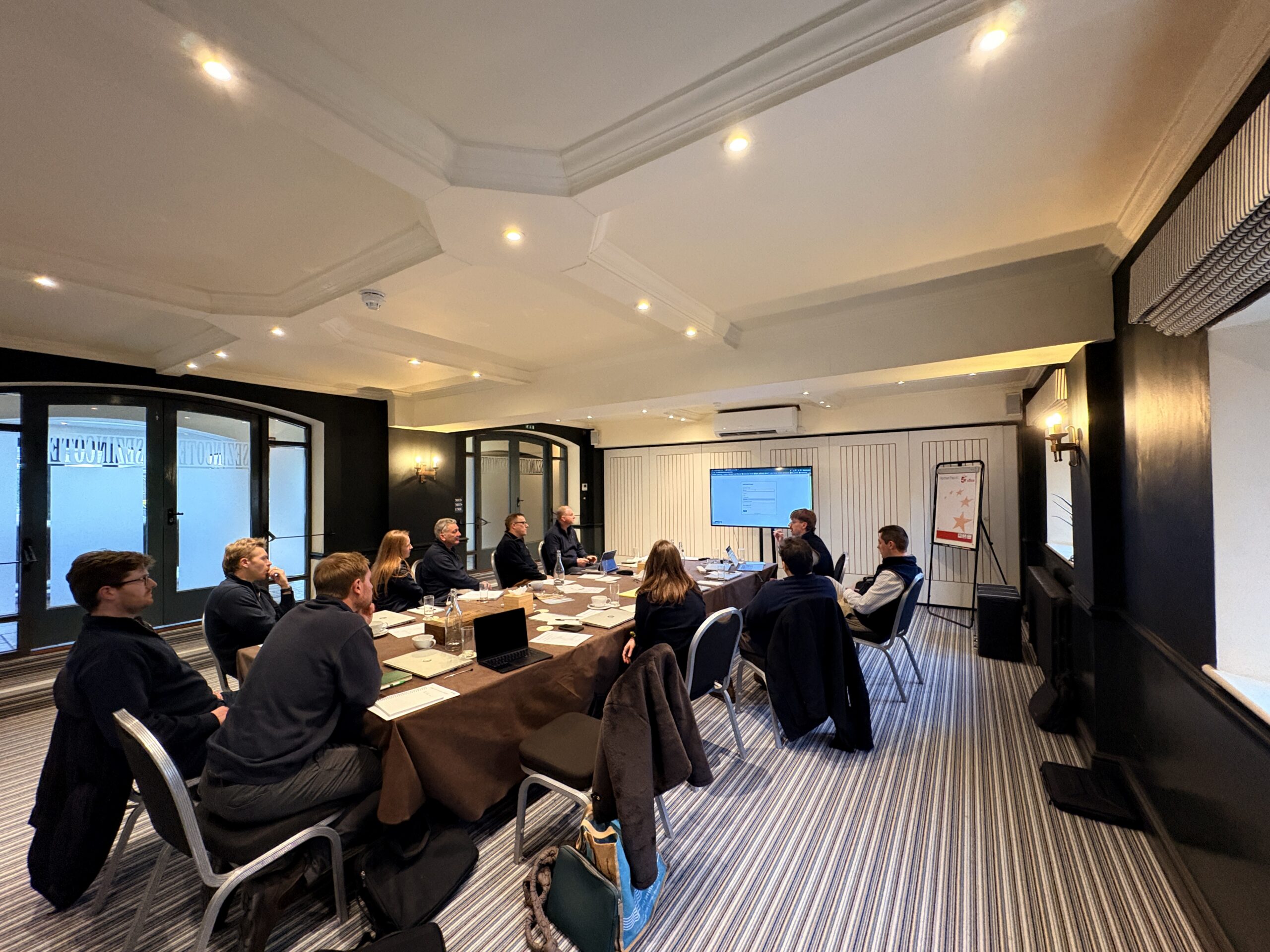
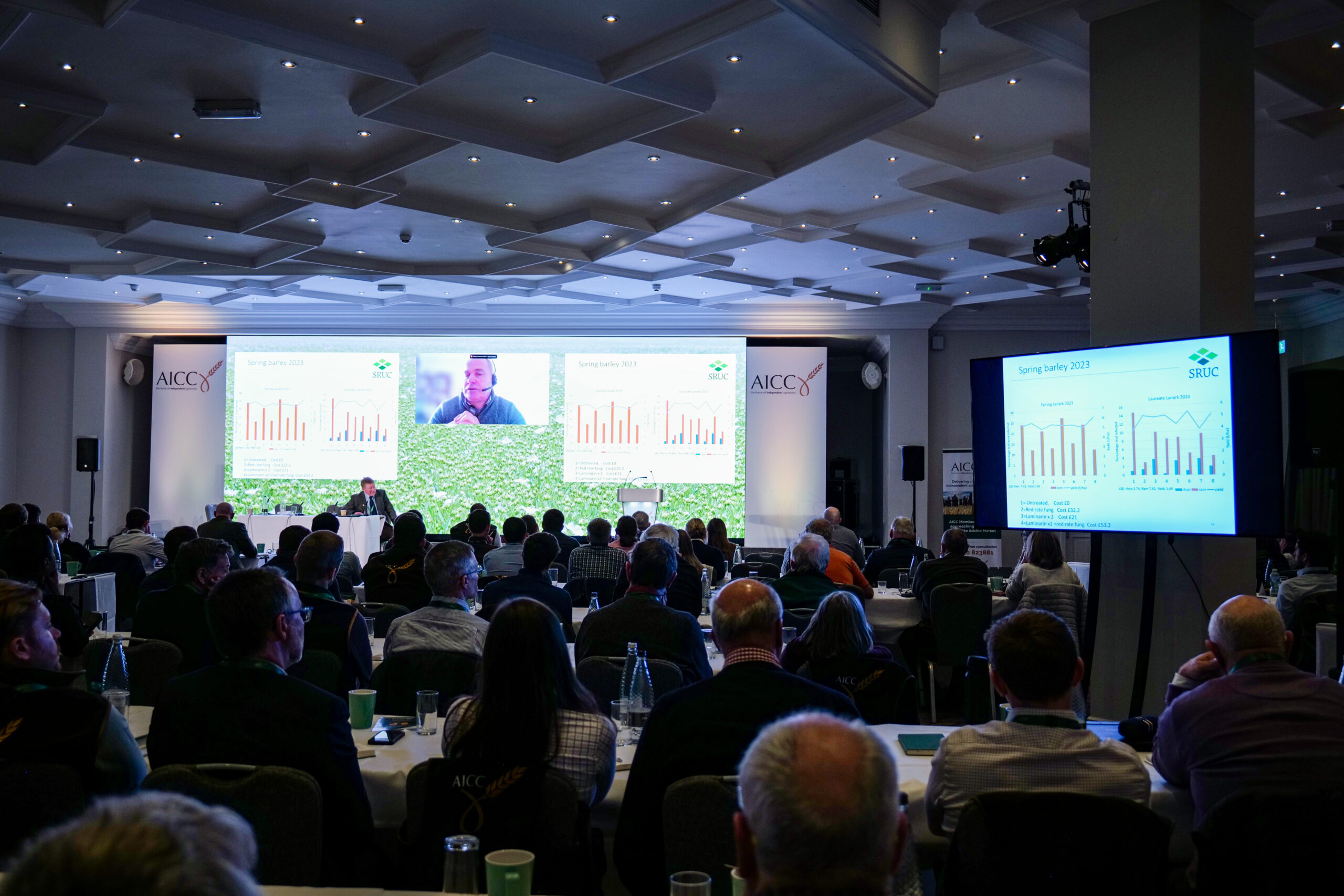
That was the starting point for a conversation at our Winter Conference.
We decided to take a step back and ask ourselves: what does regenerative farming actually mean to us?
The conversation was interesting because, depending on who you speak to, “regenerative agriculture” can mean very different things. And, for some farmers, the term can come with a fair amount of baggage.
There can be a perception that regenerative farming means adopting a particular system, abandoning established farming practices or following a prescribed set of rules, but we don’t see it that way.
We describe ourselves as integrated crop consultants – and that distinction is important.
Looking at the whole farming system
For us, integrated crop consultancy means looking beyond an individual crop or individual decision and considering how every part of the farm works together.
Where does the grower want the business to be in five, ten or twenty years? What does the rotation look like? Could livestock be integrated into the system? What is happening to the soil? Where can biodiversity be improved? What are the financial implications? And, importantly, what is actually practical for that particular farm?
There is no one-size-fits-all answer.
A practice that works exceptionally well on one farm may be completely inappropriate on another.
That’s why we don’t believe farmers should feel they need to adopt a particular label or farming system in order to make positive changes. Instead, we look at the principles and ask a much more practical question: Could this work here?
So, what are the principles we’re talking about?
There are five core practices commonly associated with regenerative agriculture:
1. No-till farming
Reducing soil disturbance can help protect soil structure, retain moisture and support soil biology. But that doesn’t mean we believe cultivation should never happen.There will be situations where direct drilling or reduced tillage makes sense, and there will be situations where cultivation is the right agronomic decision.
The practice needs to fit the system, not the other way around.
2. Cover crops
Cover crops can help keep soil covered between cash crops, providing living roots, supporting soil structure and potentially helping to reduce erosion and nutrient losses.But again, their value depends on the circumstances, the species selected, establishment method, timing, water availability and how the cover crop fits into the wider rotation all matter.
A cover crop isn’t automatically beneficial simply because it is a cover crop.
3. Crop rotation
A diverse rotation can bring significant agronomic benefits, helping to break pest and disease cycles, spread workloads and improve soil health. It can also provide an opportunity to introduce different crops and management practices into the system.
The challenge is balancing those benefits with the commercial realities of the farm. A rotation has to work agronomically and financially.
4. Livestock integration
Where the farming system allows it, livestock can play an important role.
Grazing can bring nutrients back into the soil, make use of cover crops or grass leys and introduce another enterprise into the farming business. But livestock integration isn’t practical for every farm. Land, infrastructure, labour, markets and the wider farming system all need to be considered.
5. Plant diversity
Increasing plant diversity can support biodiversity and provide greater resilience within the farming system. That might come through crop rotations, cover crops, companion crops or other approaches. Again, the question isn’t simply “Can we increase diversity?”
It’s “Where would increased diversity bring a genuine benefit to this farm?”
It’s not about doing something because it’s labelled “regenerative”
This is perhaps the most important part of our approach. We’re not interested in recommending a practice because it sounds good. We’re interested in whether it works.
If direct drilling is the right decision for a particular field, rotation and farming business, we’ll recommend it. If it isn’t, we won’t.
The same applies to cultivation, cover crops, livestock integration and every other agronomic decision we make.
Our role isn’t to tell a grower how they should farm. It’s to understand the farm, understand the grower’s ambitions and use our experience and technical knowledge to help them make the best decisions for their business.
Sometimes that will mean adopting a practice associated with regenerative agriculture. Sometimes it won’t, and that’s okay.
Perhaps regenerative agriculture doesn’t need a label
We believe the conversation around regenerative farming could benefit from becoming a little less polarised.
It doesn’t have to be regenerative vs. conventional. It doesn’t have to be about one farming system being right and another being wrong.
There are valuable principles within regenerative agriculture that are worth considering alongside established agronomic knowledge and practical farming experience.
The important thing is understanding where, when and why those principles work. For us, that is the value of an integrated approach. We’re looking at the whole farm, not one individual practice. We’re considering productive agriculture alongside environmental and biodiversity measures. We’re looking at livestock integration where it makes sense. We’re considering soil health, crop rotations, inputs, economics and the long-term resilience of the business. And we’re doing all of that while keeping the grower’s own objectives at the centre of the conversation.
Because ultimately, there isn’t one definition of a successful farm. Every farm is different. Every grower has different ambitions, and every farming system has its own opportunities and constraints. Perhaps that’s where the conversation around regenerative agriculture needs to move.
Away from the label. And towards what actually works.
And that’s what we mean by integrated crop consultancy. Independent advice. Practical agronomy. Long-term thinking.