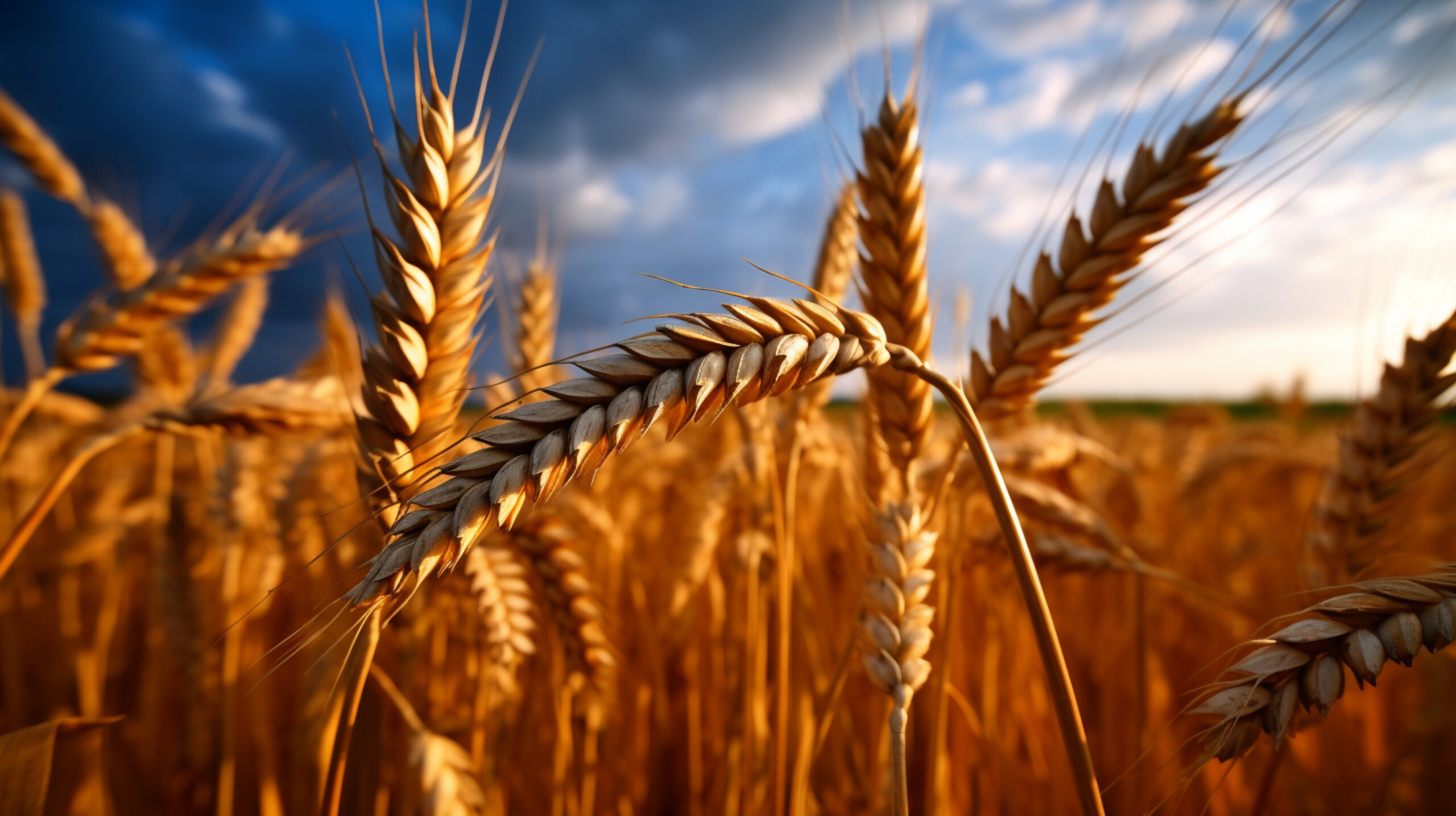



Harvest 2026 wasn’t a great one. But across the acreage we advise, it could have been considerably worse.
This season has brought some pretty stark contrasts across crops, farms and soil types, with the weather playing a significant role in how crops performed.
After a difficult 2025, when drought had a devastating impact on many crops, 2026 has presented another challenging set of conditions. But it has also given us plenty to reflect on – from the performance of individual crops to the role of soil, variety selection and agronomy in helping farms navigate increasingly unpredictable weather.
An early start to harvest
Harvest came remarkably early this year.
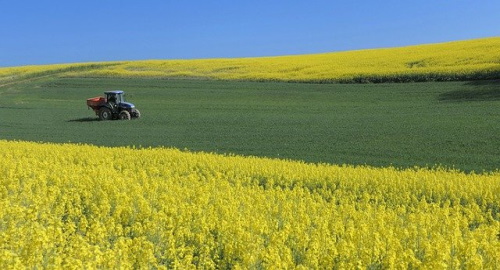
OSR was combining in June, rather than the more usual July, but the crop had already done what it needed to do before the drought really took hold. We expected OSR to perform well, and it did. In fact, some of the best OSR yields we’ve seen on farm for a long time came this year.
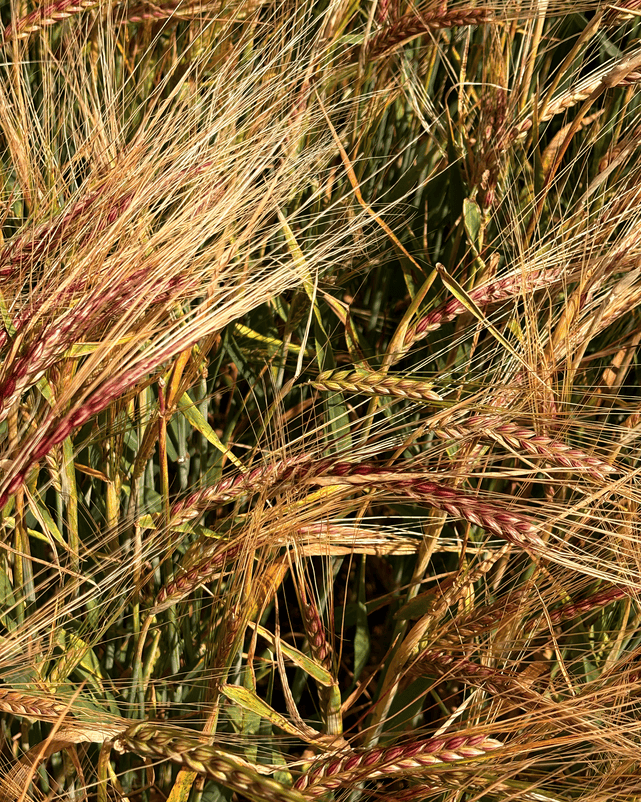
Winter barley also got off to a good start, with yields coming in around or above average. Again, it had largely completed its development before the really dry conditions arrived.
For both crops, timing was important.
They had done what they needed to do before the drought became the dominant factor.
Wheat told a different story
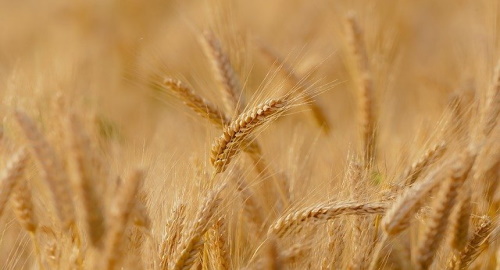
Wheat was much more challenging.
We had a good idea that the drought would have an impact, but the speed at which crops developed was remarkable.
Crops went from flag leaf not quite emerged, to ear fully out and flowering in around 10 days. That is far too quick for ideal crop development and meant the crop effectively rushed through an important part of its growth cycle.
We were combining wheat in June – something that would normally be unheard of, and this created a strange picture in the field.
The crops looked fantastic, but the yields simply weren’t there.
Tonnes per hectare were down, despite the visual appearance of many crops suggesting otherwise. Milling wheats did, however, generally maintain good quality, with the specific weight holding up well. Something we very often see when yields are down.
It was another reminder that what a crop looks like in the field doesn’t always tell the full story.
Land type made a difference
One of the clearest things we’ve seen this harvest is that not all soils responded to the dry conditions in the same way.
As expected, lighter land generally suffered more, while areas with more clay were better able to cope. But soil type wasn’t the only difference we observed.
On farms where organic matter had been improved or maintained over time, and where organic amendments such as FYM had been applied, there was a clear difference in how crops performed.
Those yields weren’t necessarily good. But they were better.
Improving soil health and resilience isn’t going to prevent a drought or guarantee a bumper harvest. But building soils with better structure, organic matter and water-holding capacity can give crops a better chance when conditions become difficult. And that’s something that happens over many seasons, not one.
Spring crops struggled too
Once the winter crops were harvested, attention turned to spring cropping.
Unfortunately, spring crops haven’t performed particularly well either.
Rainfall was extremely limited during the growing period, leaving crops without the moisture they needed to reach their potential. As a result, yields were disappointing.
It has made for a challenging year across a broad range of crops, although the overall picture is still not as difficult as last year’s harvest. Harvest 2025 also followed a very dry spring, but this was compounded by poor establishment conditions, resulting in patchy and inconsistent crops from the outset. Perhaps the most disappointing aspect of this year’s harvest is the feeling of what could have been, with many crops showing good potential before the prolonged dry conditions began to take their toll.
So, what can we take from Harvest 2026?
Perhaps the biggest lesson is that you should never farm based on last year’s weather.
It’s tempting, after a year like this, to immediately start making decisions based on what we’ve just experienced, but next summer could be completely different.
The rainfall we’ve had recently is welcome, albeit not enough, and at this stage we wouldn’t expect the conditions experienced for the 2025-26 to automatically dictate what happens next season. Instead, we need to think about weather as part of a much longer-term picture.
That could mean considering drought tolerance when selecting varieties, looking at drilling dates and understanding which crops and varieties are best suited to the conditions we are increasingly likely to face.
It also means continuing to understand the land we’re working with. There is no single answer for every farm, field or rotation. What works on one farm won’t necessarily be the right decision on another, however improving the resilience of your soil will ultimately lead to a more resilient farming business.
Looking further ahead
If weather patterns continue to change, they could ultimately influence much more than they already do.
We may need to think differently about the crops we grow in the UK, too. There is potential for crops currently more commonly grown elsewhere in Europe to become increasingly suitable to UK conditions, while crops that have traditionally performed well here may face greater pressure from drought and extreme weather.
We’re not suggesting that one difficult season tells us exactly what the future of UK cropping looks like, but it does give us another piece of the puzzle.
Resilience isn’t built in a single season
Across the farms we advise, Harvest 2026 wasn’t great, but good agronomy, an understanding of land type and making the right decisions for individual farms meant it could have been considerably worse.
That’s perhaps the most useful reflection to take from this year’s harvest.
Resilience isn’t about trying to predict exactly what next year’s weather will bring. It’s about making decisions that give your farm the best possible chance of dealing with whatever does.
Every season is different. The important thing is to learn from it – without assuming that next year will be the same.